

Quick answer
Padas river rafting death incidents are exceptionally rare, with no confirmed fatalities reported in commercial operations over the past decade. Licensed operators maintain strict safety protocols including mandatory life jackets, certified river guides, pre-trip safety briefings, and immediate access to emergency communication systems. All tours operate during daylight hours within the 07:30–18:00 window when river conditions are monitored and rescue infrastructure is fully active.
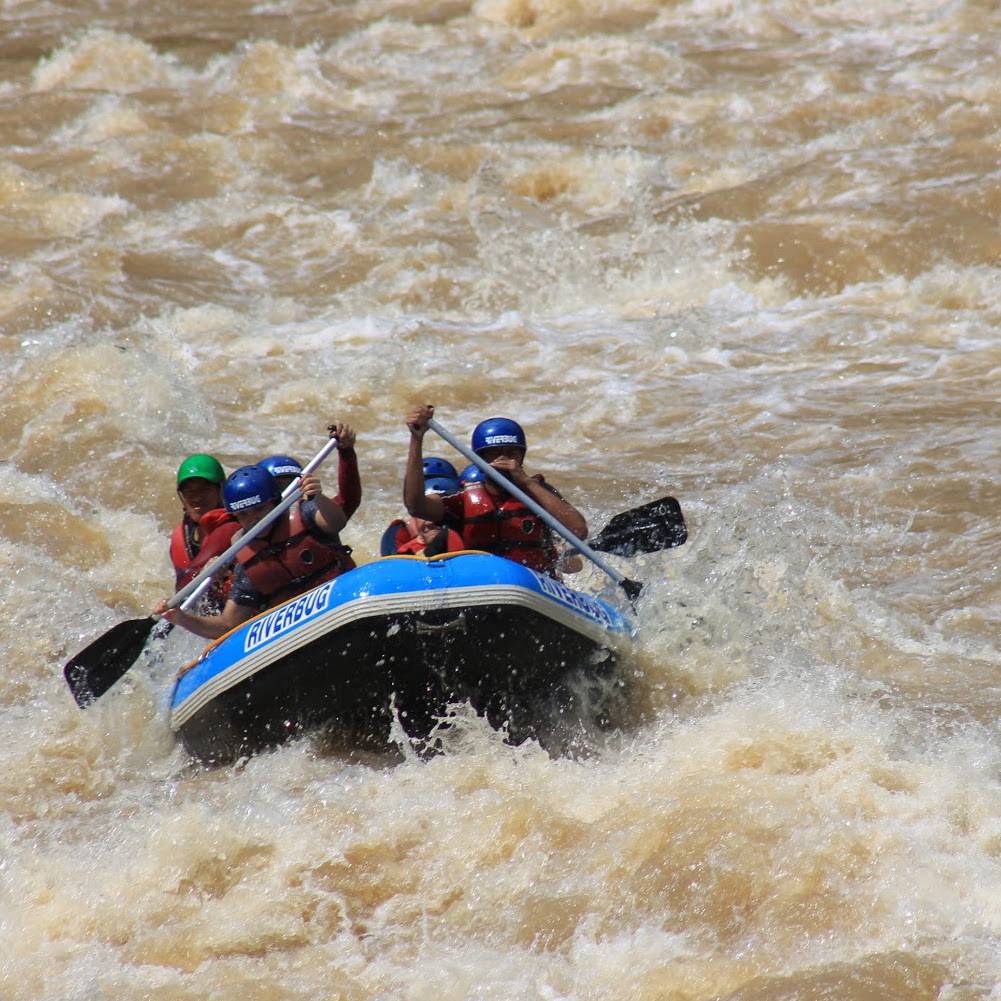
The Padas River drops 1,800 meters over 15 kilometers, carving through dense jungle between Beaufort and Tenom in Sabah's Interior Division. That gradient creates Class III and IV rapids that challenge rafters without crossing into extreme technical territory reserved for expert-only expeditions. The river's commercial rafting industry operates under Sabah's adventure tourism regulations, which mandate operator licensing, guide certification, equipment standards, and incident reporting protocols. Verified safety data from Sabah Parks and the Malaysian Association of Tour and Travel Agents shows that serious injuries on guided Padas River trips remain statistically uncommon. Minor incidents—scrapes from paddle contact, mild bruising from turbulent sections—occur as expected on any white water river, but evacuation-level emergencies are rare. The railway infrastructure running parallel to the river plays a dual role: it delivers rafters to the put-in point each morning and functions as the primary emergency access corridor. Mobile signal coverage extends along most of the rafting corridor, and operators carry satellite communication devices for dead zones. Every commercial trip begins with a 20-minute safety briefing covering paddle commands, capsize procedures, swimming positions in current, and group self-rescue techniques. Guides undergo annual certification renewals that include swift-water rescue training, first aid, and scenario-based emergency drills. The rafting season typically runs May through September when water levels balance excitement with manageability—monsoon floods and dry-season shallows both trigger temporary suspensions. Operators assess river conditions each morning and hold final authority to cancel trips when discharge rates or debris loads exceed safe thresholds. The inherent risk in any white water activity cannot be eliminated, but the infrastructure surrounding Padas River rafting—from guide training to evacuation routes to equipment maintenance schedules—exists specifically to contain that risk. Visitors choosing licensed operators, following briefing instructions, and wearing provided safety gear participate in an adventure sport with established safeguards rather than an uncontrolled wilderness gamble.
“The railway corridor running parallel to the river functions as both the access route and the primary emergency evacuation path for rafting operations.”
Understanding Safety and Risk Management Regarding Padas River Rafting Death Concerns
The Padas River maintains strict safety protocols to mitigate risks associated with Grade III-IV white-water rafting. Operators prioritize rigorous guide certification and standardized equipment checks to ensure participant well-being throughout the excursion.
Mandatory safety gear
All participants are required to wear high-buoyancy personal flotation devices and specialized river helmets at all times on the water. These items are inspected by guides prior to every launch to ensure proper fit and structural integrity.
Guide certification requirements
River guides must undergo comprehensive training in white-water rescue, first aid, and cardiopulmonary resuscitation (CPR) to manage potential emergencies. Many operators require guides to possess certification from recognized national or international rafting organizations.
Standardized pre-trip briefings
Every rafting session begins with a mandatory safety demonstration covering paddling techniques, man-overboard procedures, and communication signals. Guides ensure that all participants understand these protocols before the raft enters the river.
Rafting equipment standards
Rafts used on the Padas River undergo routine maintenance and pressure checks to prevent malfunctions during navigation. These vessels are constructed with multiple independent air chambers to maintain buoyancy even in the event of a partial puncture.
Communication and evacuation protocols
Professional operators utilize reliable communication equipment to maintain contact with base camps throughout the rafting route. Pre-established evacuation plans are in place to coordinate with local emergency responders if specialized medical intervention is required.
Risk assessment procedures
Guides conduct daily water level and condition assessments before finalizing departure schedules for the day. If river levels exceed safe operational thresholds due to heavy rainfall, trips are suspended to prioritize participant safety.
Mistakes to Avoid for a Safe Padas River Rafting Experience
Padas River rafting is a Grade III-IV adventure that requires physical readiness and strict adherence to guide instructions. Most incidents stem from preventable errors rather than inherent river conditions.
Ignoring the pre-trip safety briefing or skipping fitness assessments
Attend the full briefing and honestly assess whether your fitness level matches the physical demands of 1.5–2 hours of continuous paddling through rapids. If you have heart conditions, back problems, or limited swimming ability, consult the operator before booking.
Wearing loose clothing, sandals, or bringing valuables on the raft
Wear fitted synthetic clothing, secure water shoes, and leave phones, jewelry, and cash with the operator's storage service. Loose items create entanglement risks and distractions during critical maneuvers.
Failing to follow paddle commands or panicking during capsizes
Trust your guide's instructions during rapids and practice the safety position (feet up, on your back) if you enter the water. Guides are trained in swift-water rescue; fighting the current or grabbing rocks increases injury risk.
Underestimating the river's force or attempting to stand in moving water
Never try to stand in rapids deeper than knee-height—currents can trap feet between rocks (foot entrapment). If you fall out, float on your back with feet downstream until your guide directs you to swim to an eddy.
Booking during monsoon season without checking recent weather reports
Padas River conditions change rapidly with rainfall. Verify water levels with your operator 24–48 hours before departure, and accept rescheduling if conditions exceed safe thresholds—operators prioritize safety over schedule convenience.
Preparation Checklist to Prevent Padas River Rafting Death Risks
Complete these steps before your rafting trip to minimize serious injury or fatality risk.
-
Disclose all medical conditions to your operator — Heart conditions, asthma, epilepsy, and recent surgeries increase risk during rapids and require operator awareness.
-
Complete a basic fitness assessment — Grade 3–4 rapids demand sustained paddling strength, core stability, and the ability to hold your breath underwater.
-
Wear a properly fitted life jacket and helmet — Ill-fitting safety gear can dislodge during capsizes, leaving you exposed to rocks and drowning risk.
-
Secure waterproof footwear with ankle support — Exposed feet increase injury risk during foot entrapment—a leading cause of rafting fatalities.
-
Confirm your guide holds certified swift-water rescue training — Trained guides can execute throw-bag rescues and CPR in the critical minutes after an incident.
-
Avoid alcohol 24 hours before departure — Impaired judgment and delayed reaction time significantly increase drowning and trauma risk in white water.
Operational Hours for Padas River Rafting
Padas River rafting operations are conducted daily to align with the regional railway schedule. Adherence to these operational hours is necessary for logistical coordination and safety.
| Monday | 07:30–18:00 | |
|---|---|---|
| Tuesday | 07:30–18:00 | |
| Wednesday | 07:30–18:00 | |
| Thursday | 07:30–18:00 | |
| Friday | 07:30–18:00 | |
| Saturday | 07:30–18:00 | |
| Sunday | 07:30–18:00 |
Safe Transit and Arrival Protocols for Padas River Rafting
The Padas River is located in the Interior Division of Sabah, Malaysia. Access is exclusively provided via a pre-booked rafting tour that includes transport arrangements.
Sabah State Railway line from Beaufort Station to Pangi Station
Road transport to Beaufort Railway Station
Check availability
Safety and FAQs regarding padas river rafting death risks
Everything you need to know about padas river rafting death